


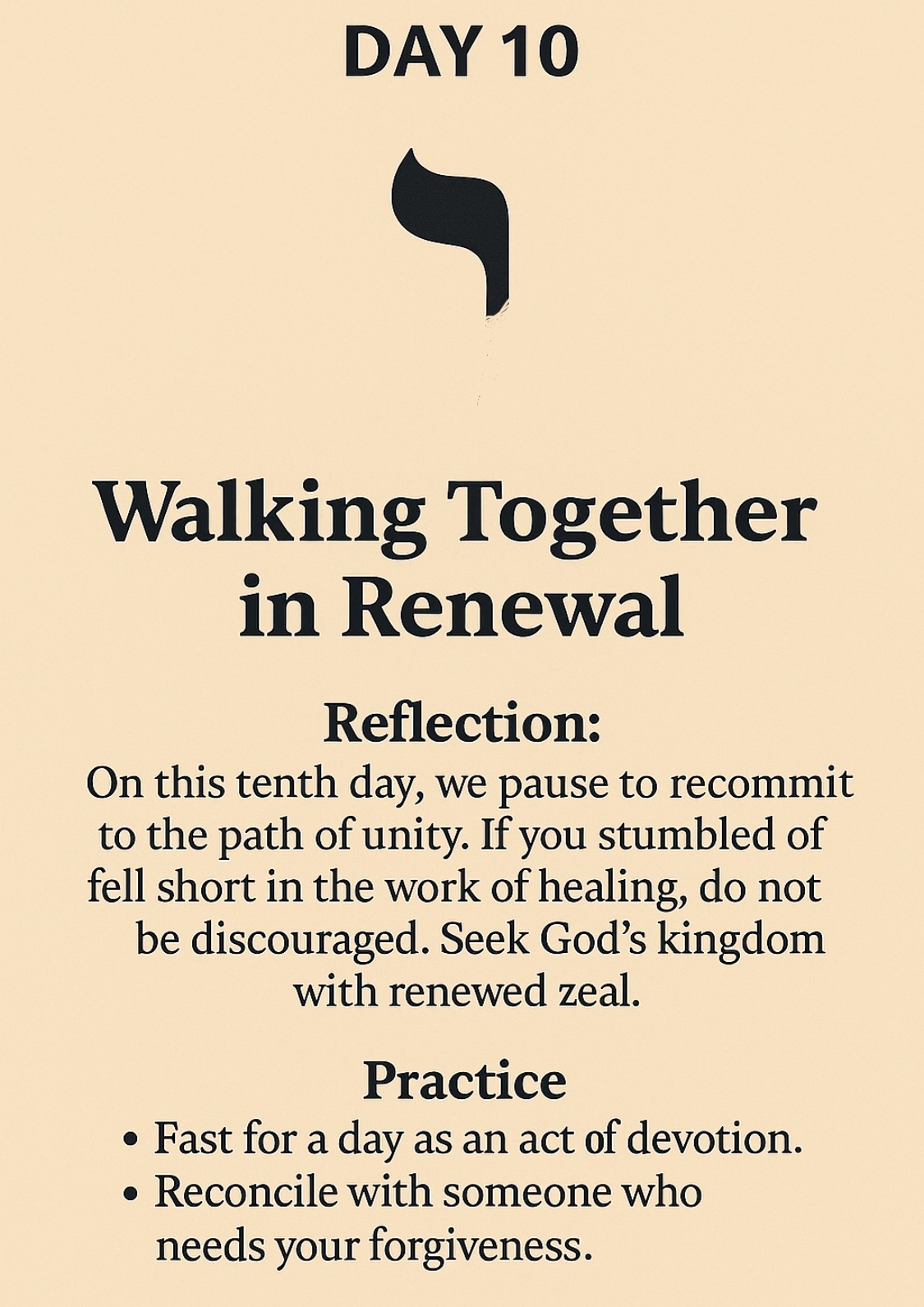
Day 10 — Yod (י): Walking Together in Renewal
The Hebrew letter Yod (י) is the smallest of all the letters, yet it carries immense significance. From Yod, every…
Where the Bible Speaks

Seven Churches, Seven Invitations | GMS Bible Studies Skip to the article GMS / SCRIPTURE & EVERYDAY FAITH Seven Churches,…

Today we reach the end of our countdown, and yet, in God’s story, this is only the beginning. Aleph (א),…

Every generation of God’s people has been summoned to prepare. Israel counted the Omer, day by day, preparing for Sinai…
The Hebrew letter Yod (י) is the smallest of all the letters, yet it carries immense significance. From Yod, every…
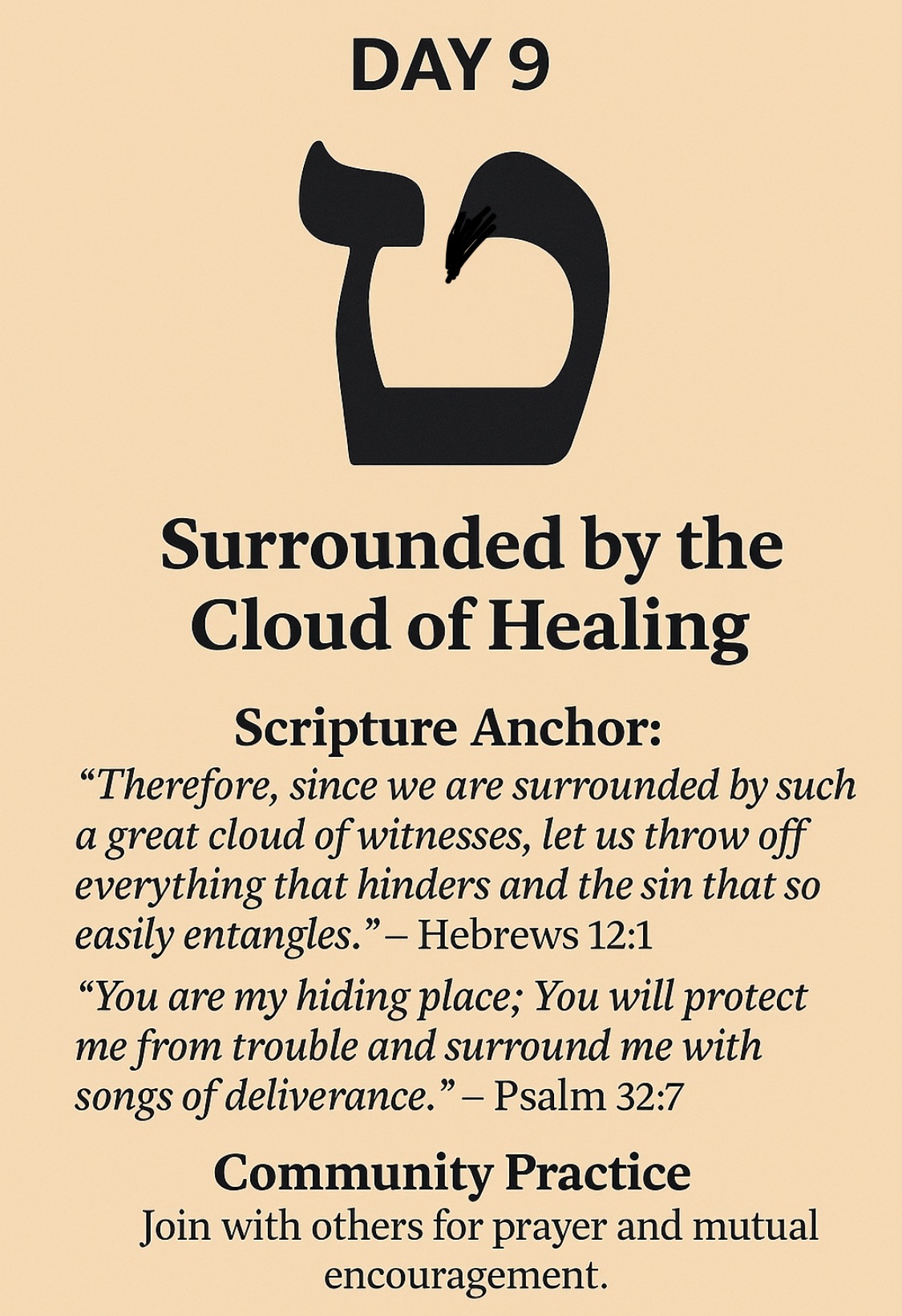
The Hebrew letter Tet (ט) is often pictured like a vessel, something that contains and protects. It can hold both…
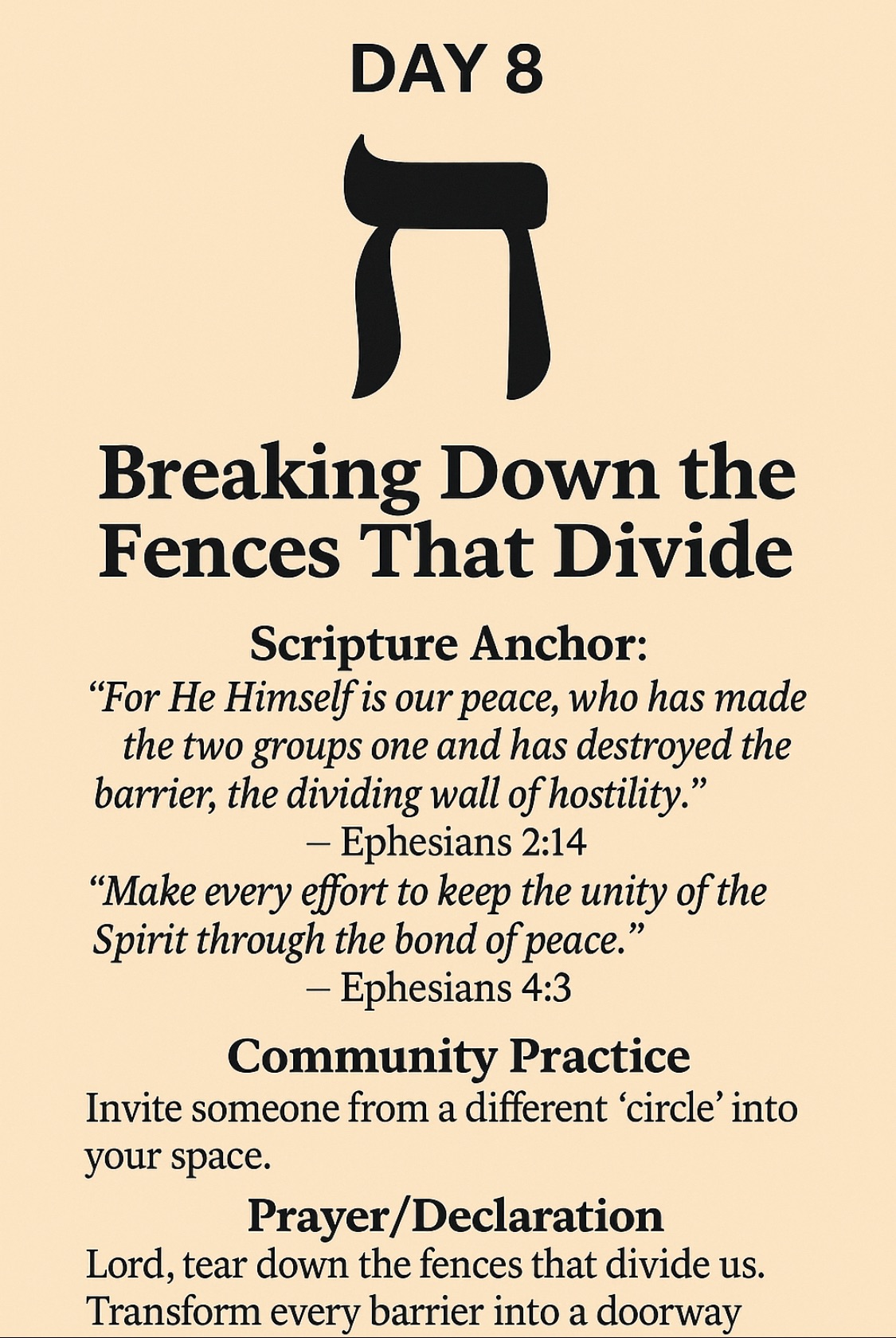
The Hebrew letter Chet (ח) looks like a doorway or a fence. It can symbolize both life (chai) and barriers.…
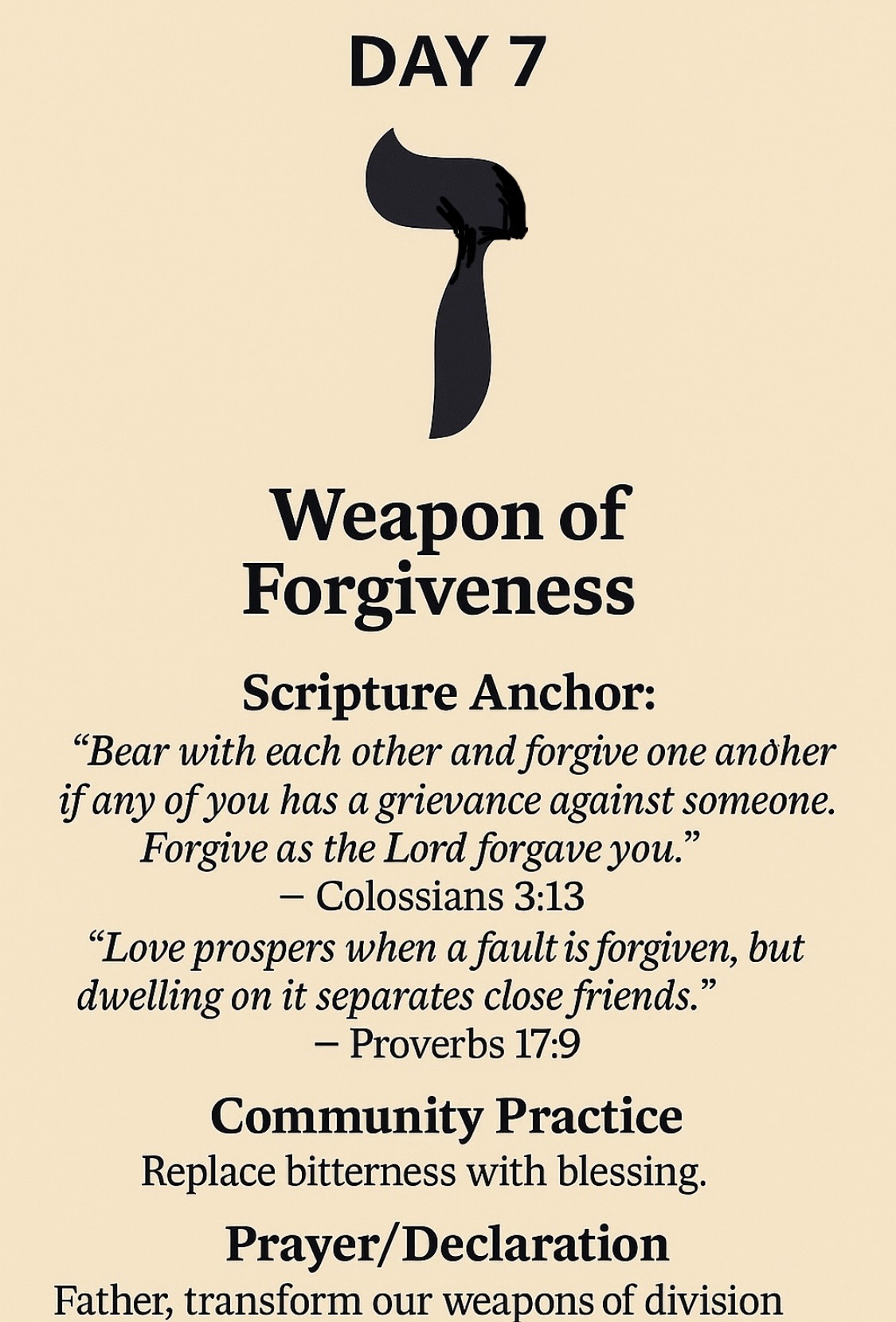
The Hebrew letter Zayin (ז) is striking. Its name means “weapon,” yet it also shares a root with the word…
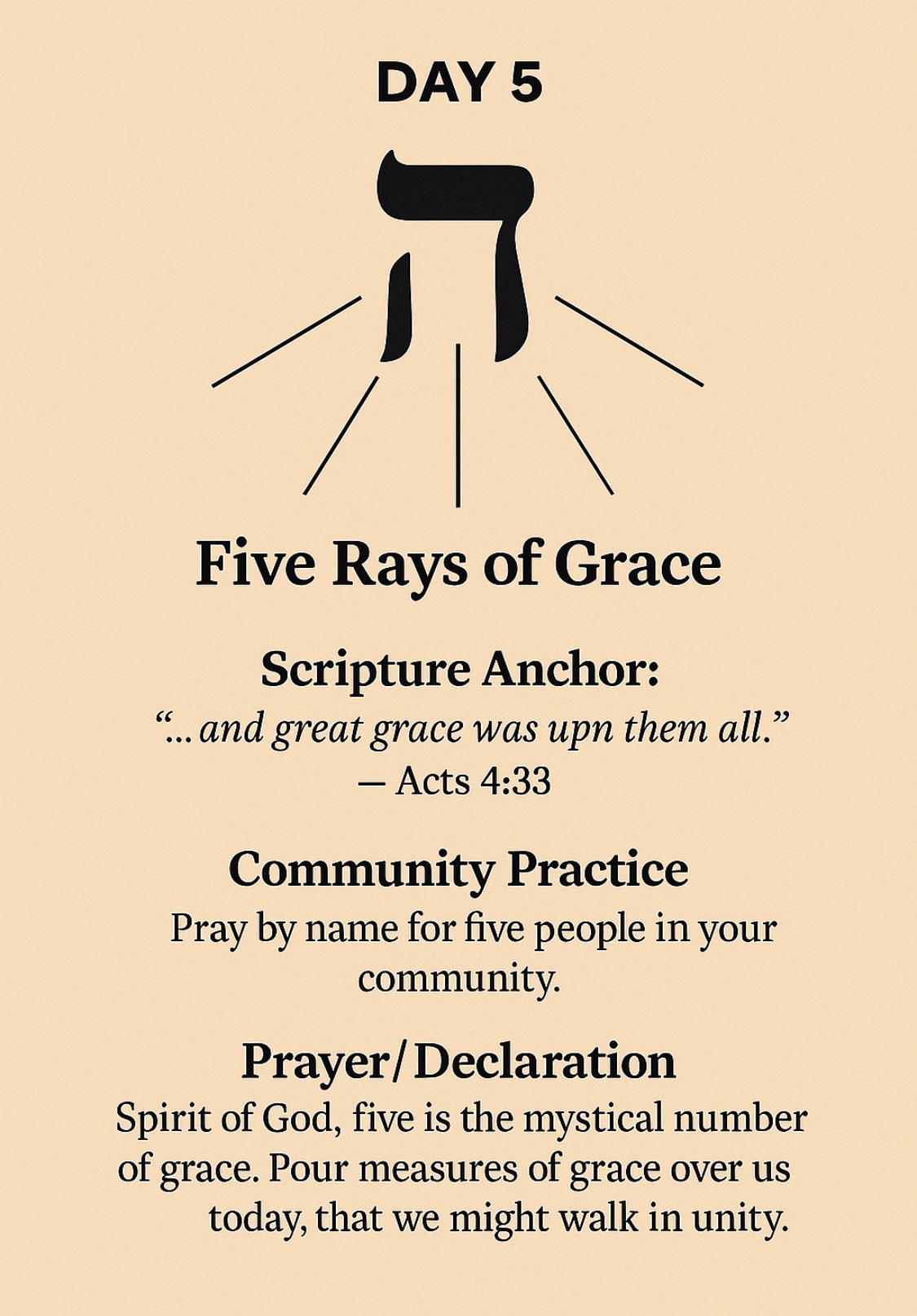
Yesterday with Hey (ה), we completed the first group of letters — the Foundations of Unity (Days 1–5). We learned…
The Hebrew letter Hey (ה) is like a whispered breath. It is the sound of life itself, light and effortless,…
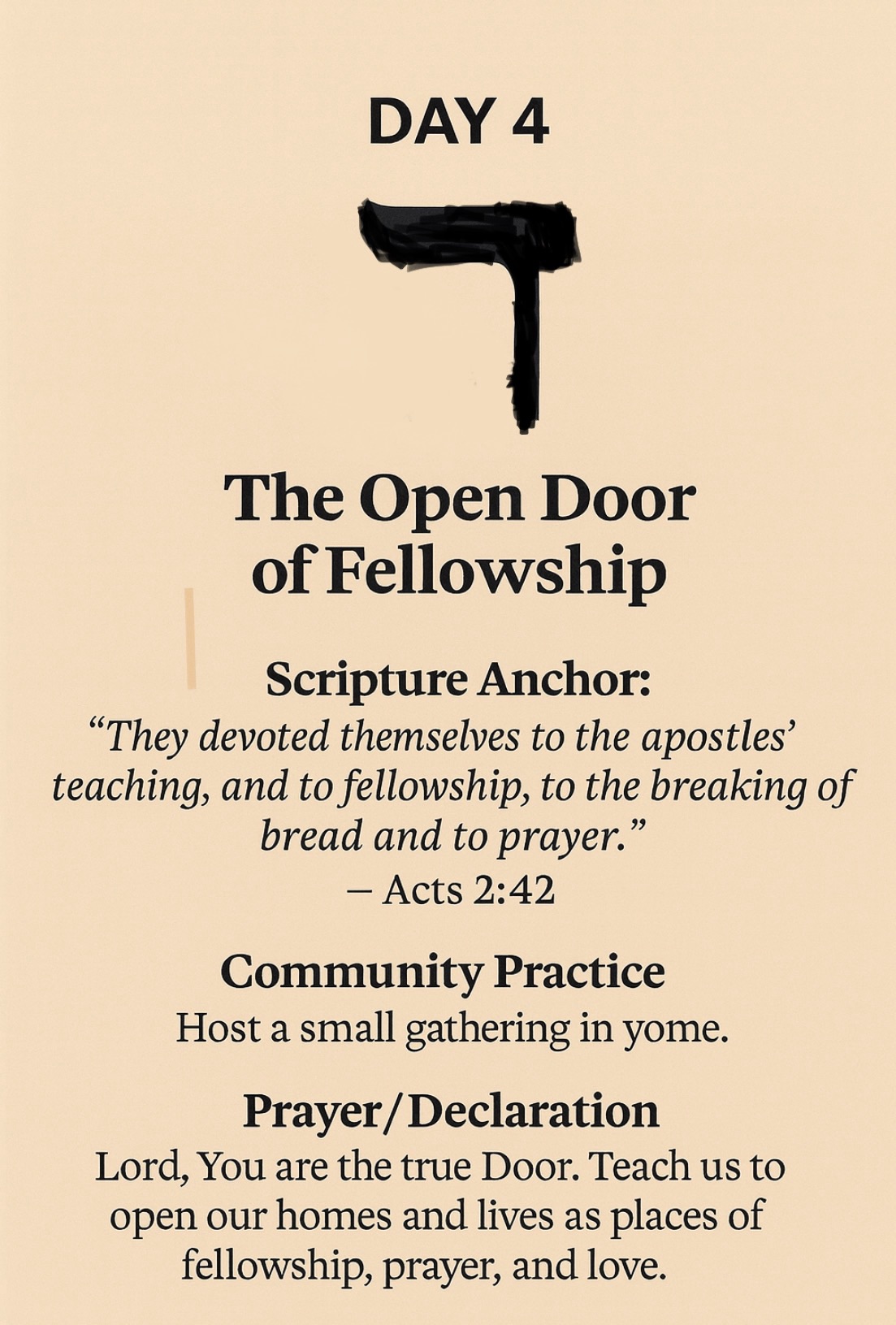
Dalet (ד) means “door.” It reminds us that God invites us through His door of grace, and in turn, we…
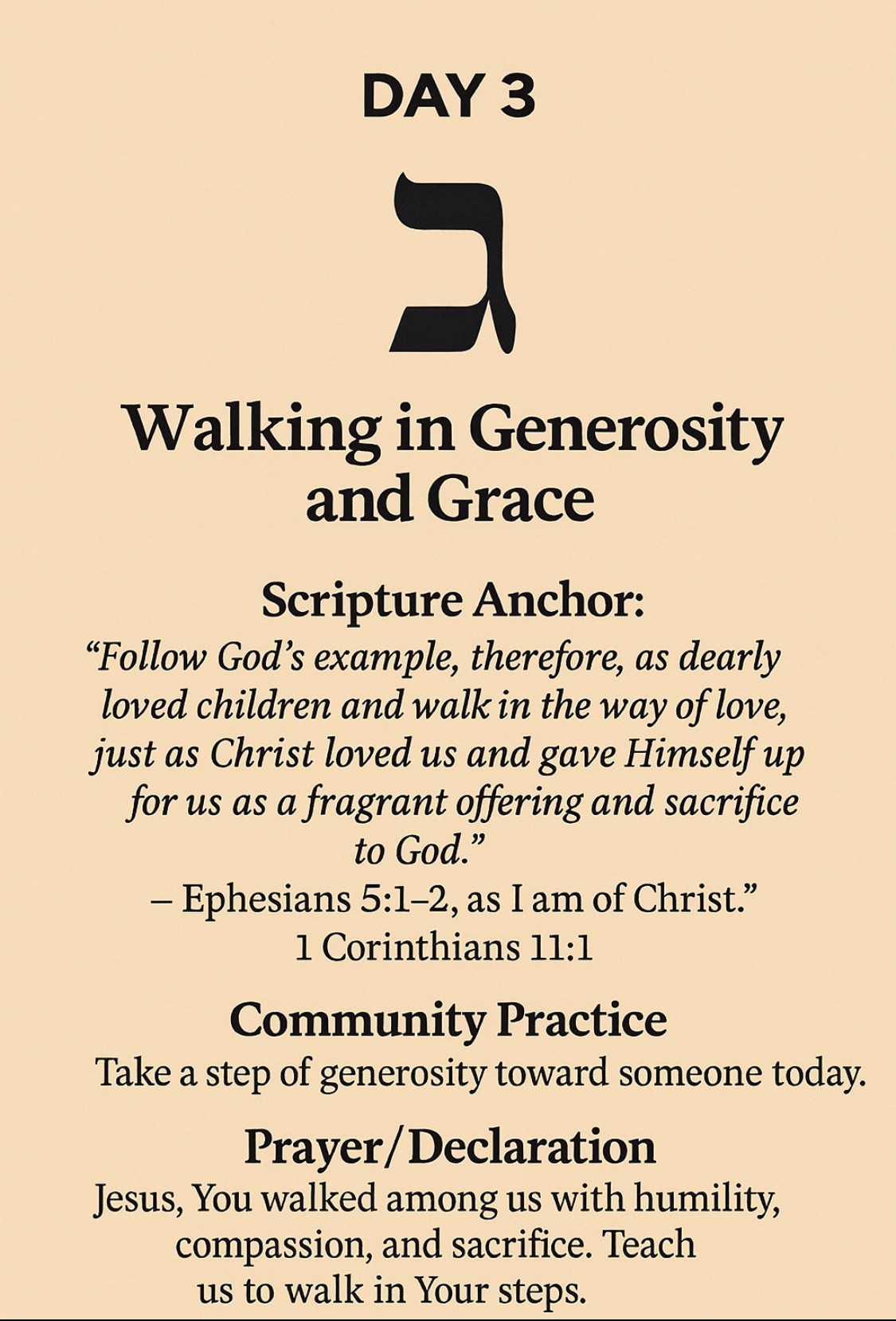
The third letter of the Hebrew alphabet, Gimmel (ג), is shaped like a person walking. In Jewish tradition, it has…
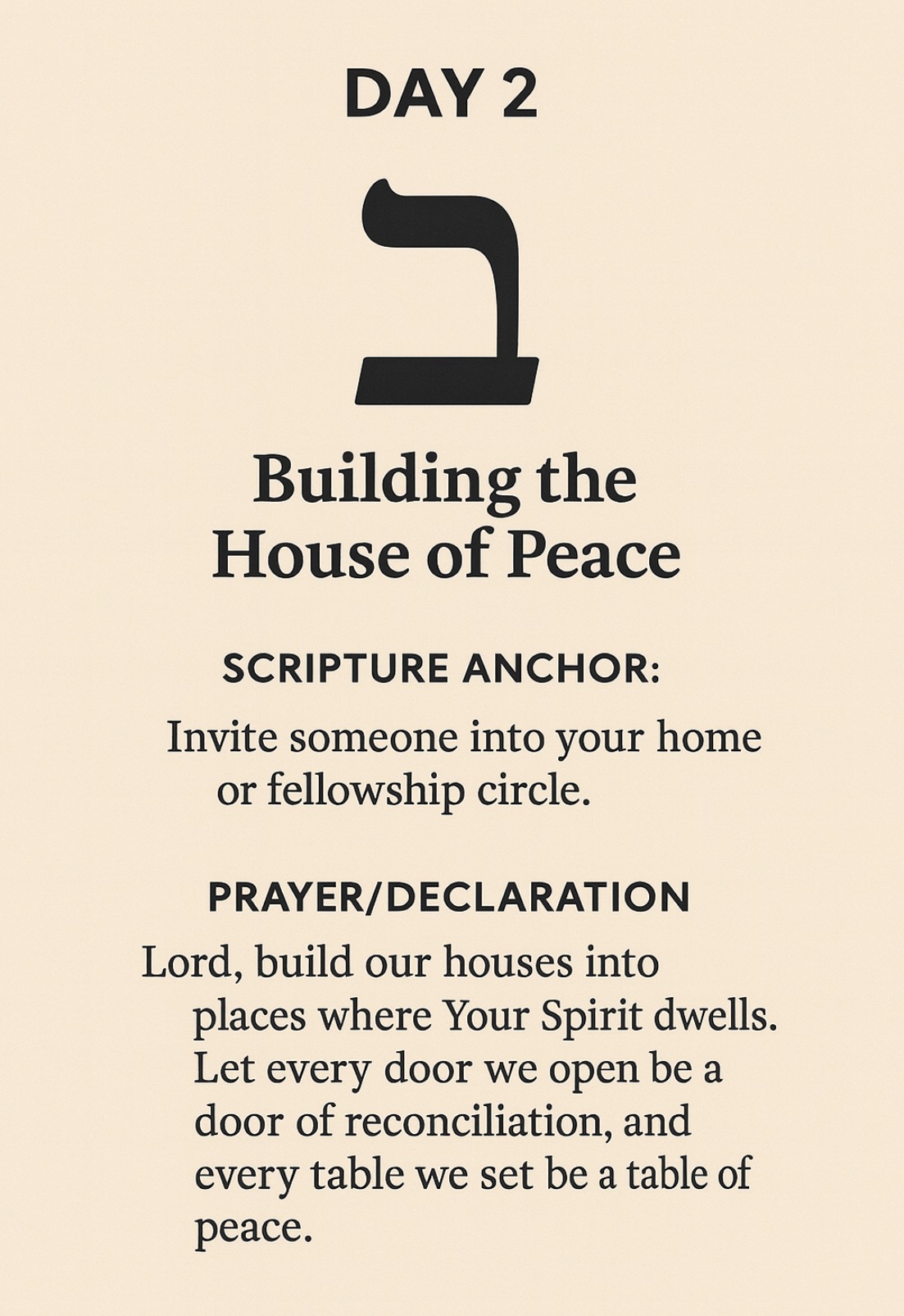
Bet is the second letter of the Hebrew alphabet and the first letter of the Bible: Bereshit — “In the…
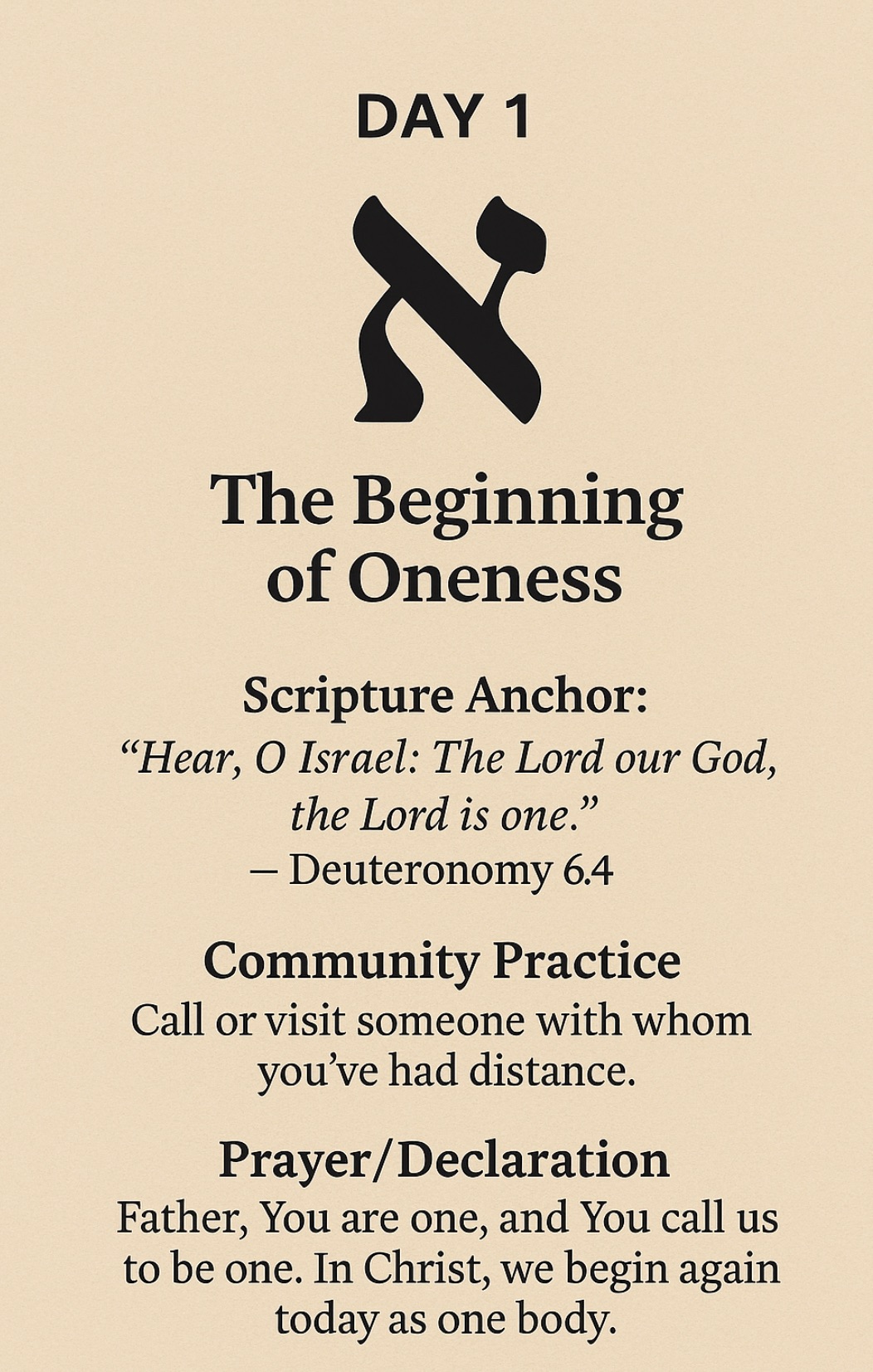
Today, we begin again. We start where we ended the 22 day Unity Challenge with first letter. Aleph is silent,…